Blog
Notes from the NextPage team on product engineering, app development, outsourcing, and the practical choices behind reliable digital products.
Showing 13-24 of 418 posts
Jul 27, 2026 · Nitin
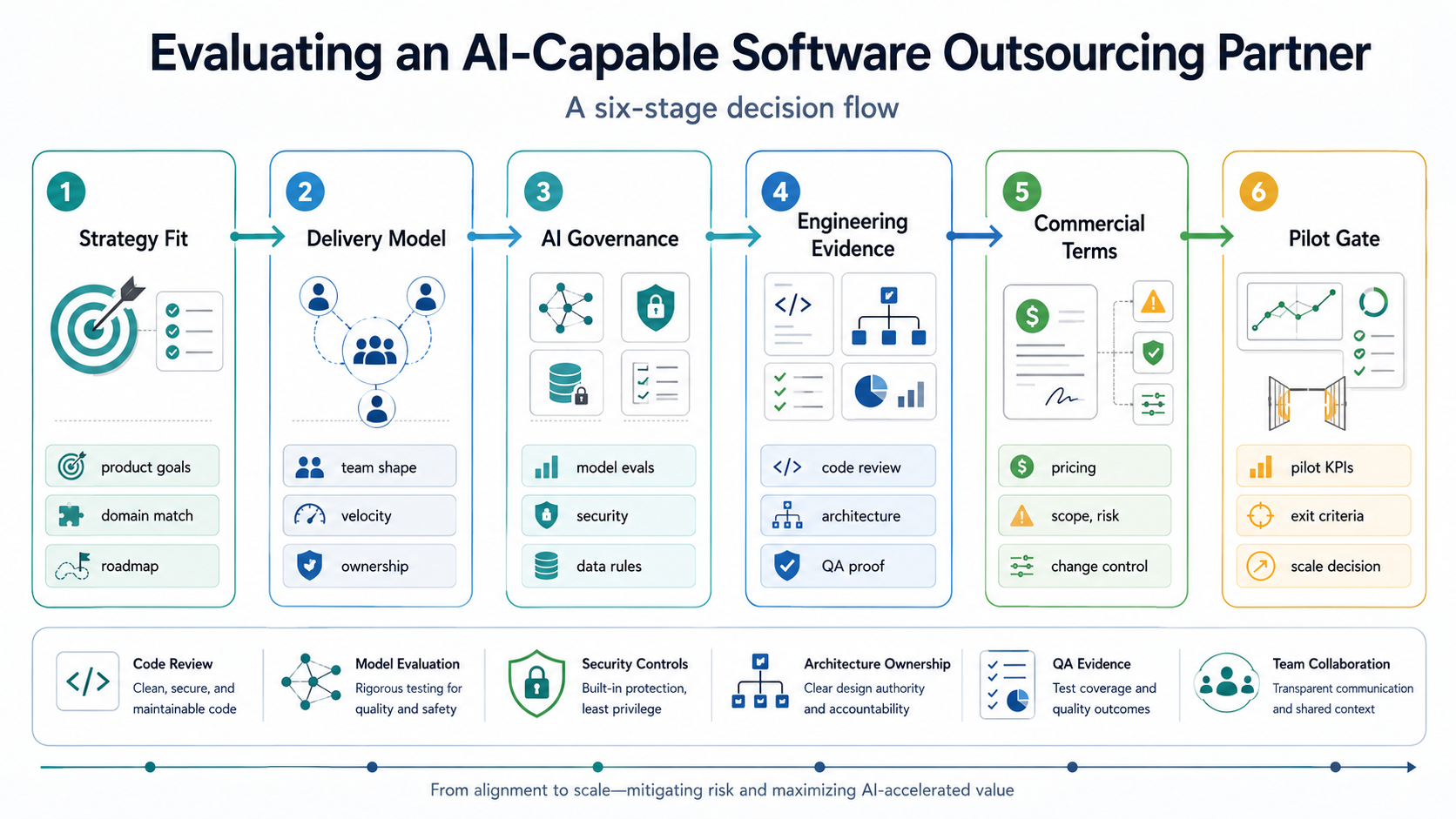
Use this AI outsourcing partner scorecard to evaluate delivery model fit, governance, engineering evidence, commercial terms, pilot scope, and red flags before you scale.
Jul 27, 2026 · Nitin
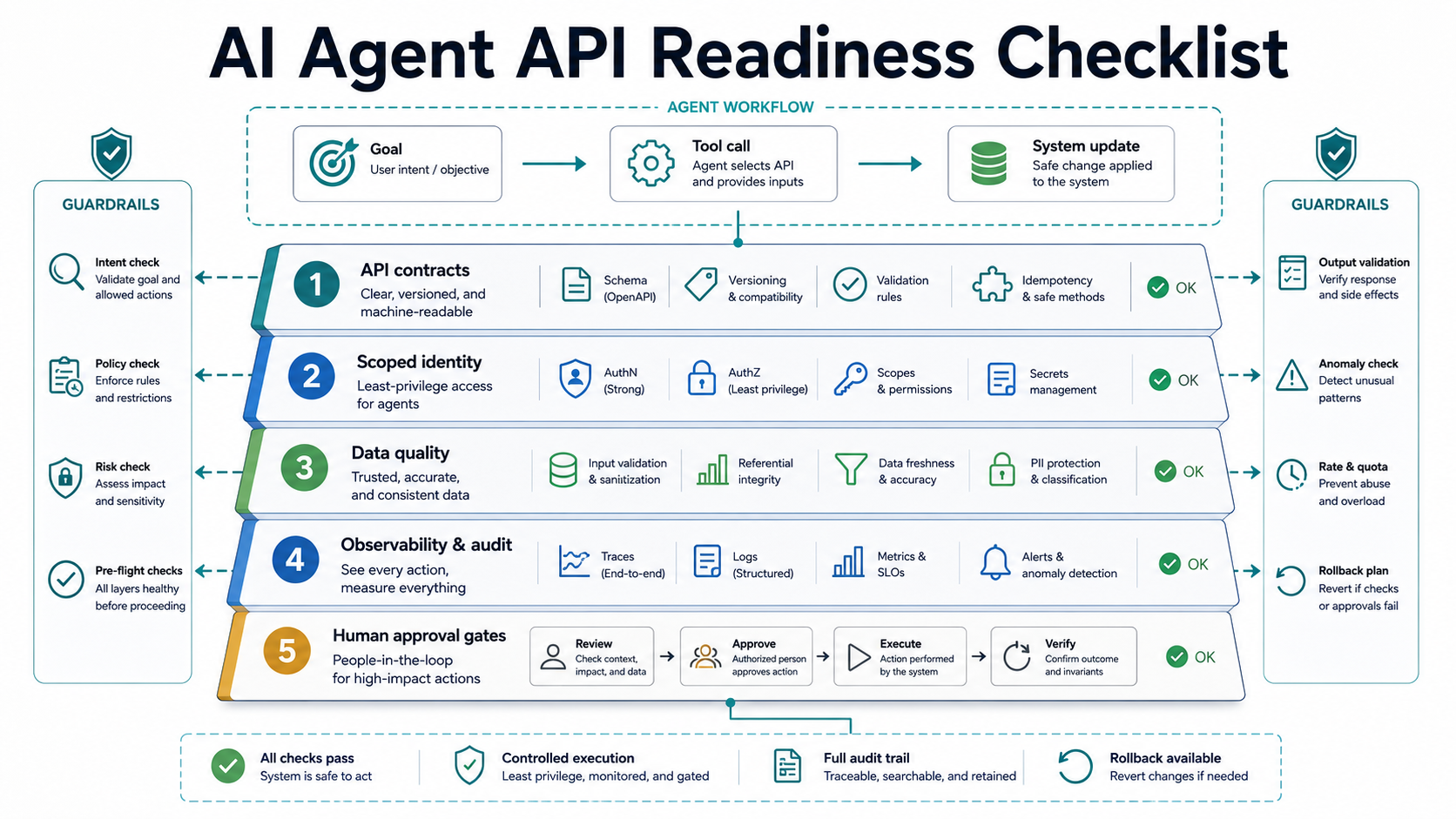
Use this AI agent API readiness checklist to review contracts, scoped identities, tool authorization, observability, approval gates, evals, and rollout risk.
Jul 23, 2026 · Nitin
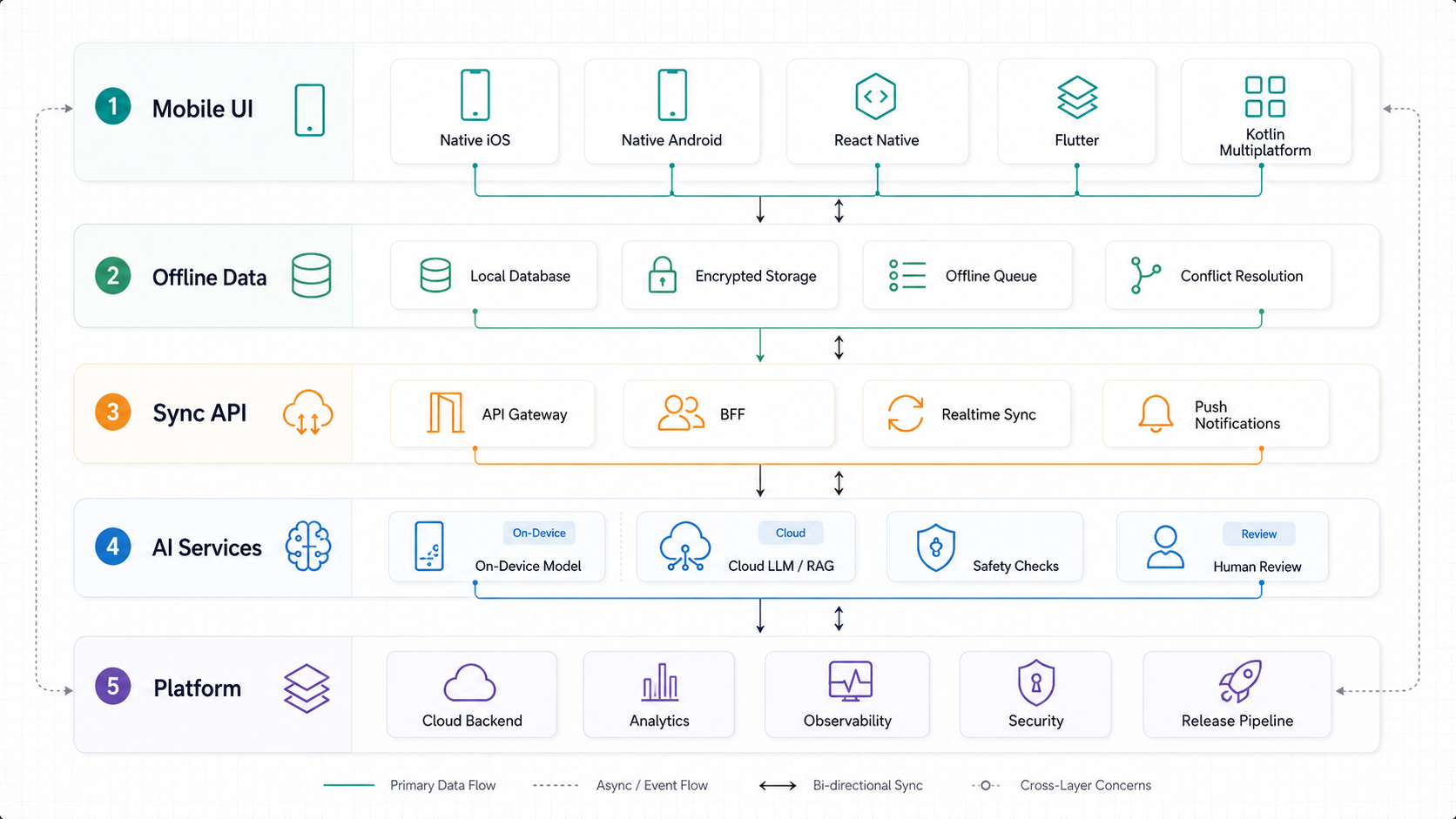
Choose mobile app architecture by mapping client layers, offline sync, backend APIs, AI placement, security, analytics, release gates, and cloud scaling decisions.
Jul 22, 2026 · Nitin
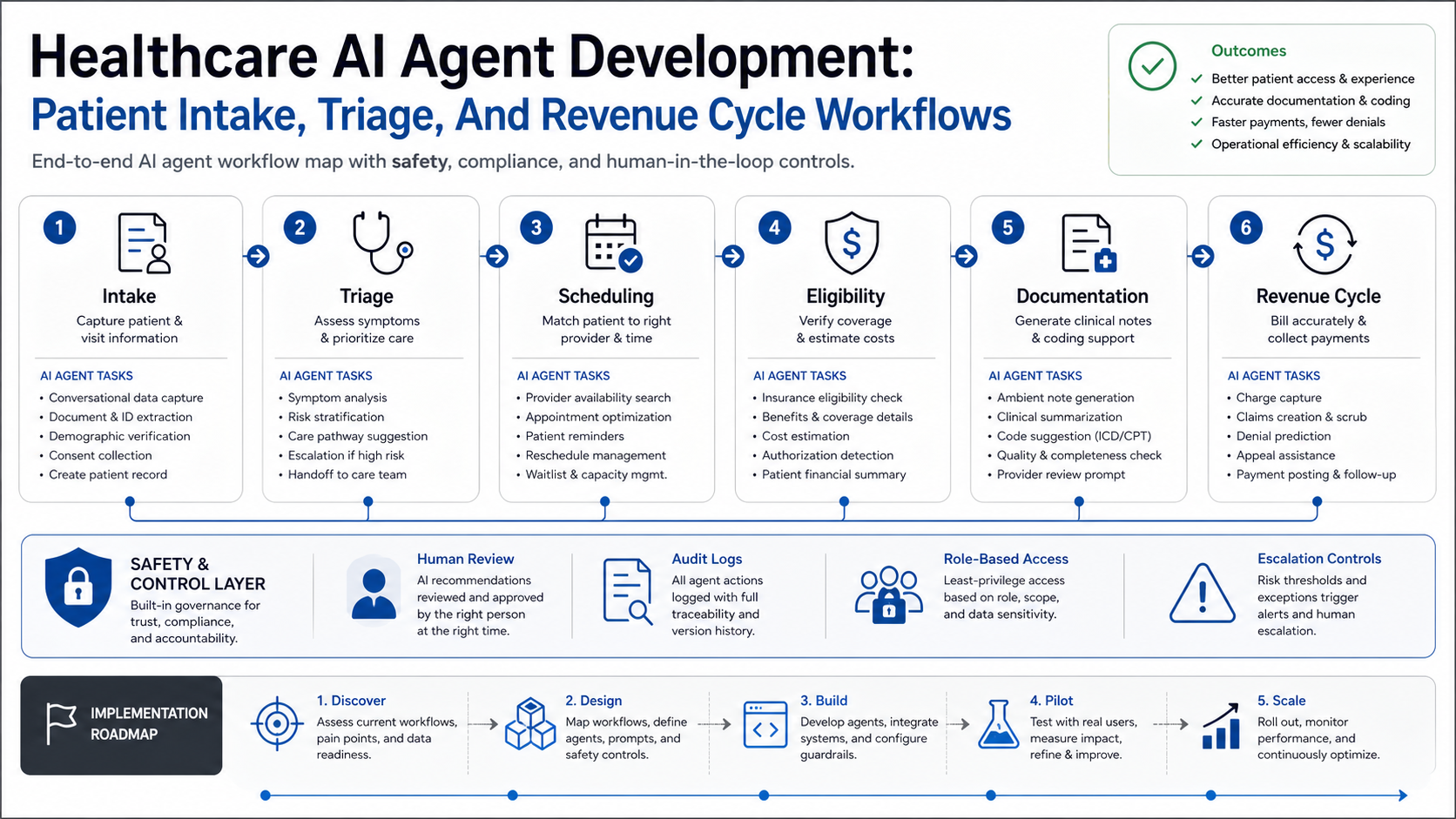
Plan healthcare AI agents for intake, triage, scheduling, eligibility, documentation, and revenue cycle workflows with safety controls, pilot gates, ROI metrics, and EHR integration planning.
Jul 22, 2026 · Nitin
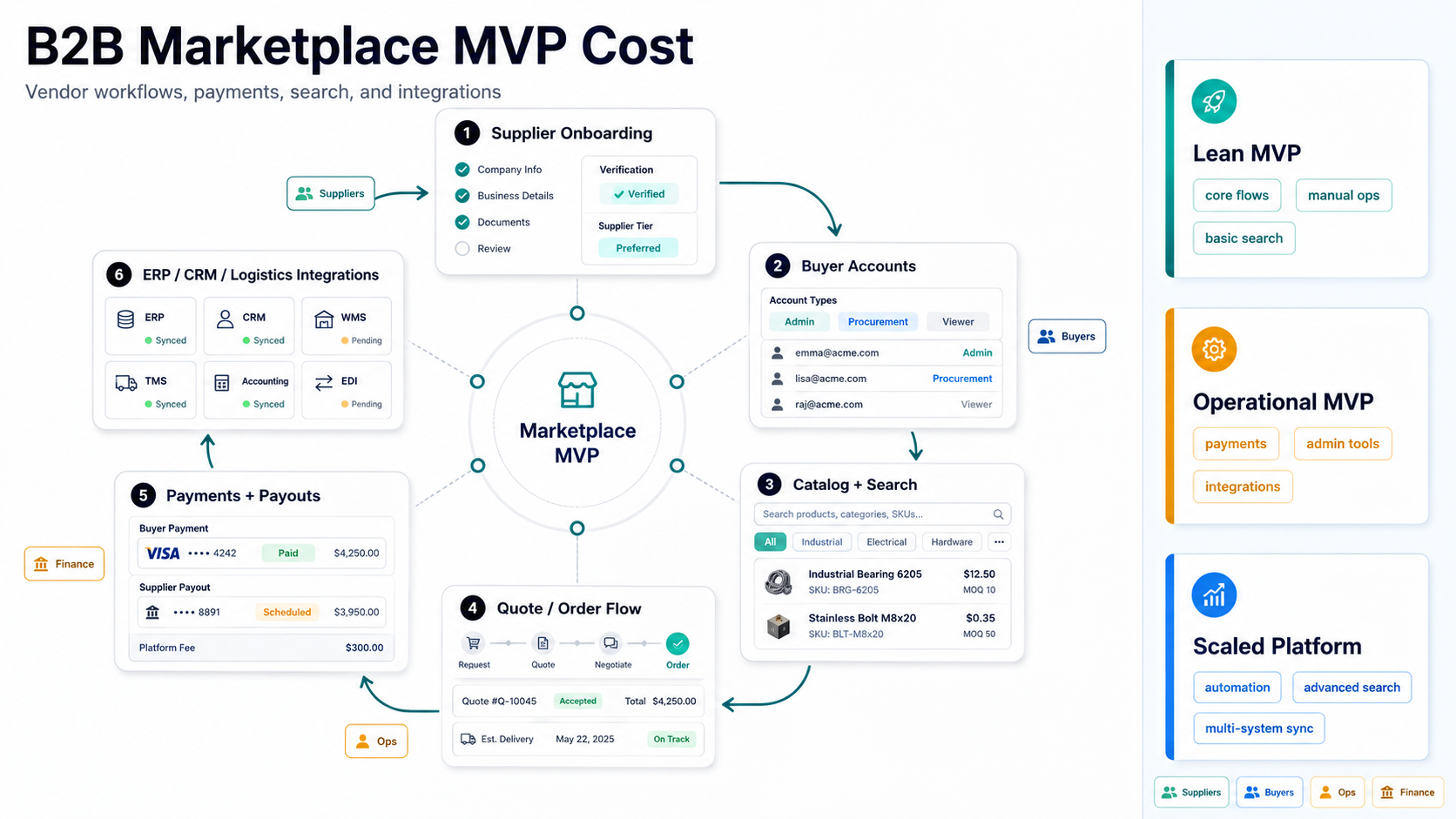
Estimate B2B marketplace MVP cost by supplier onboarding, buyer RFQ workflows, catalog search, payments, fulfillment, ERP/CRM integrations, and pilot gates.
Jul 22, 2026 · Nitin
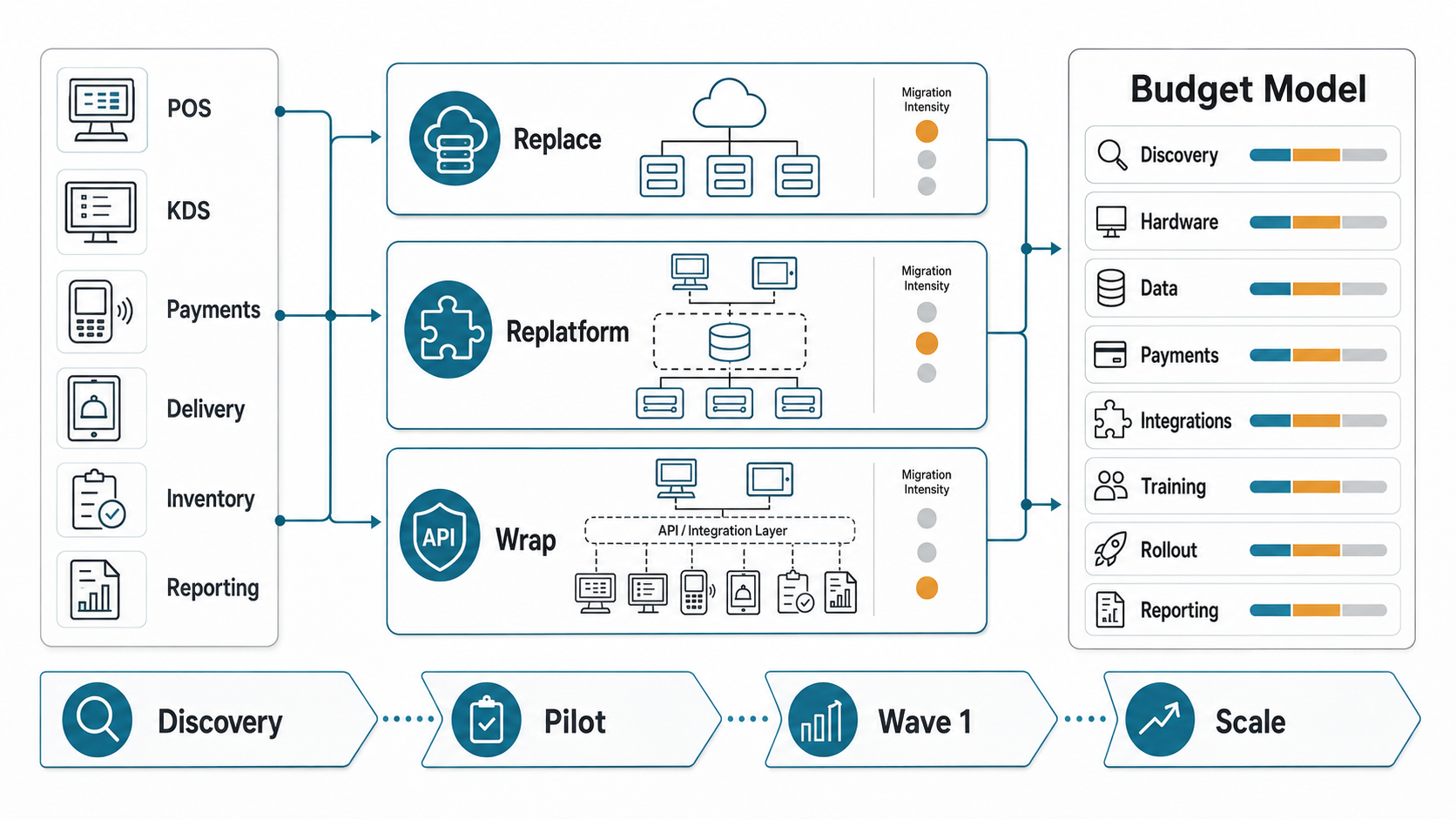
Estimate legacy POS modernization cost across replace, replatform, wrap, data migration, integrations, offline payments, rollout, and support.
Jul 22, 2026 · Nitin
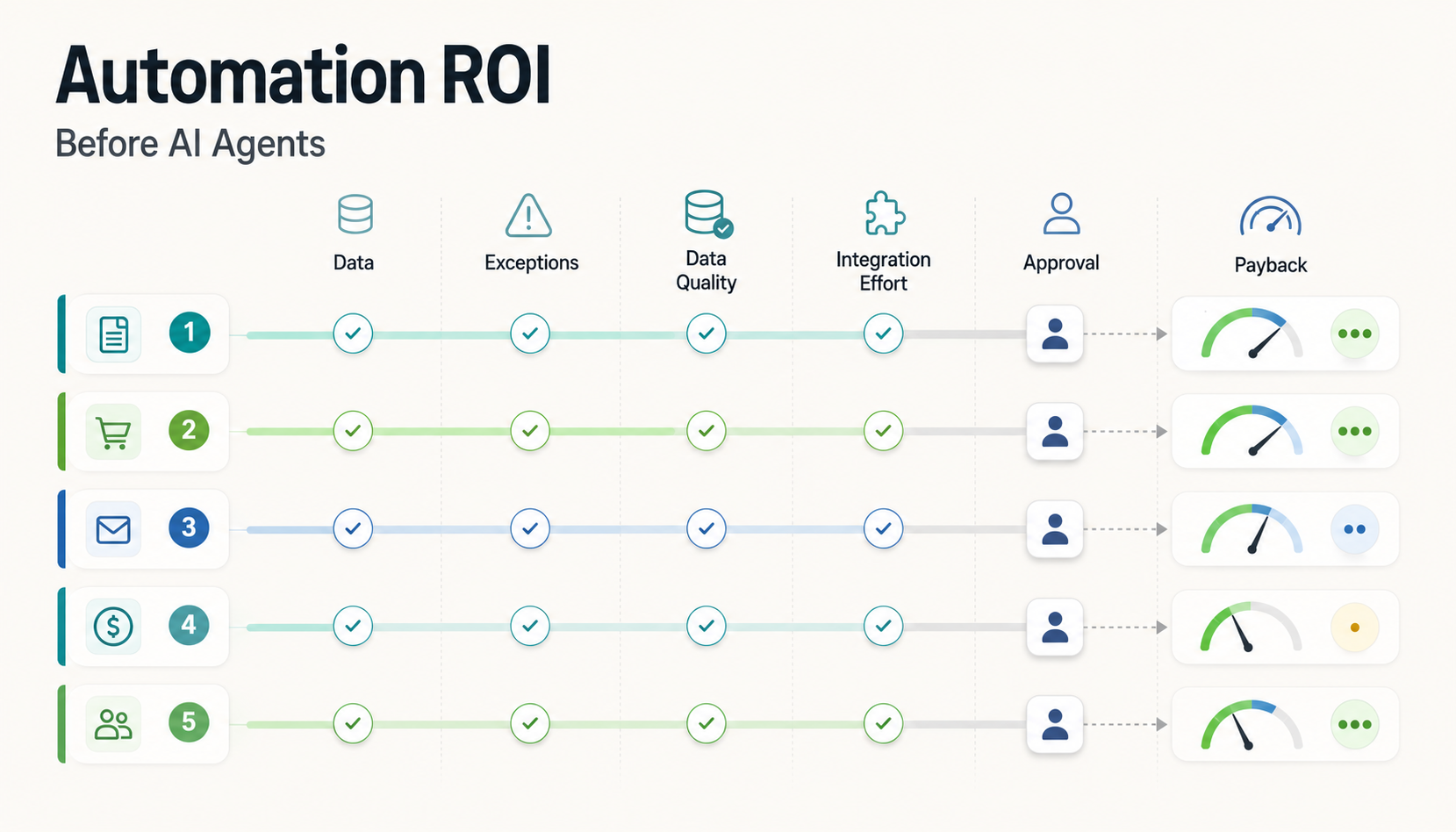
Calculate IT process automation ROI, score workflow candidates, and decide what to automate before investing in AI agents, RPA, or AI-assisted workflow software.
Jul 21, 2026 · Nitin
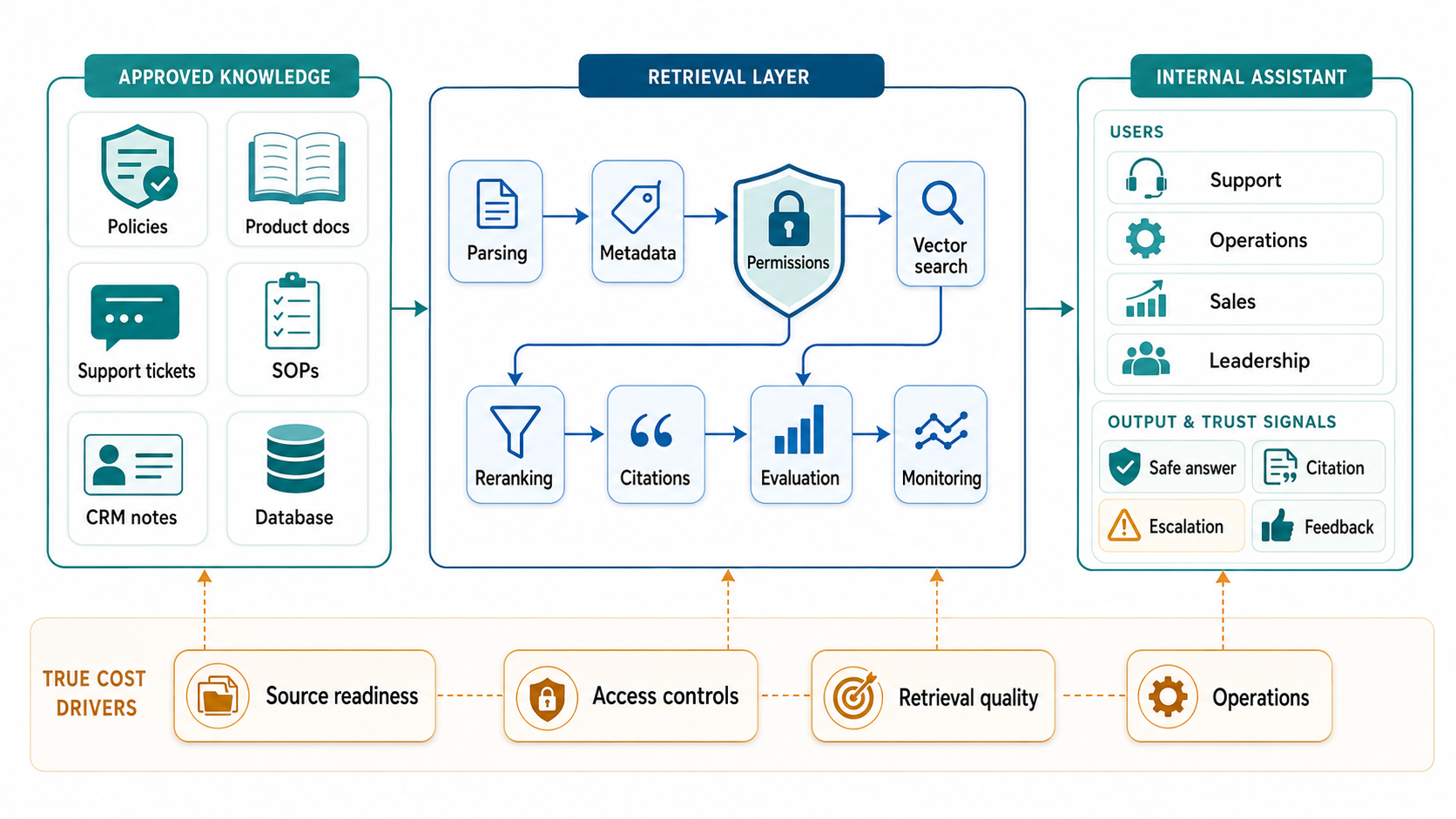
Plan RAG knowledge assistant cost around source readiness, access controls, retrieval quality, assistant UX, rollout, and operating ownership.
Jul 21, 2026 · Nitin
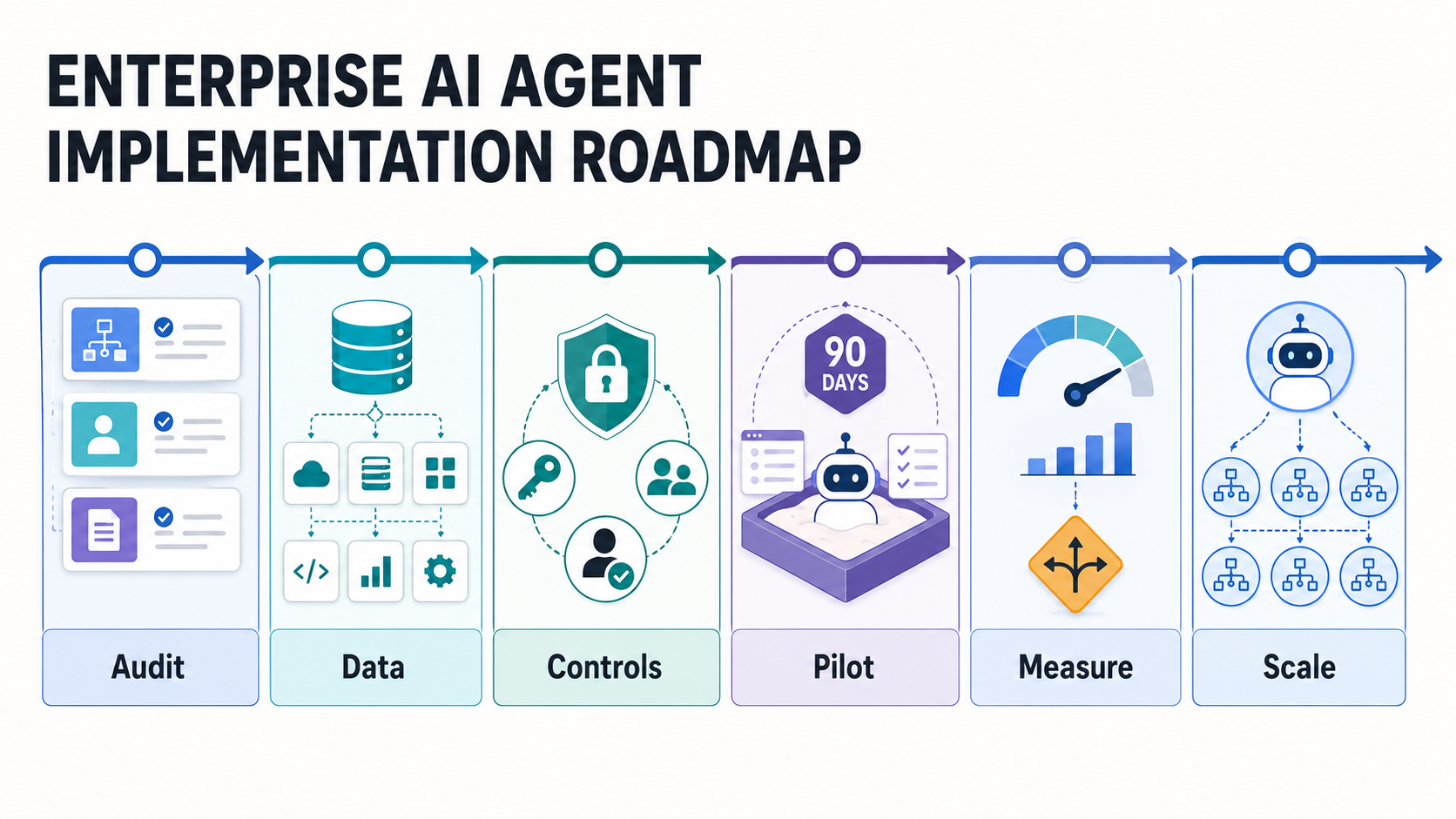
Build a safer AI agent roadmap with workflow scoring, data and security readiness, human approval controls, a 90-day pilot, and ROI gates before scaling.
Jul 16, 2026 · Nitin
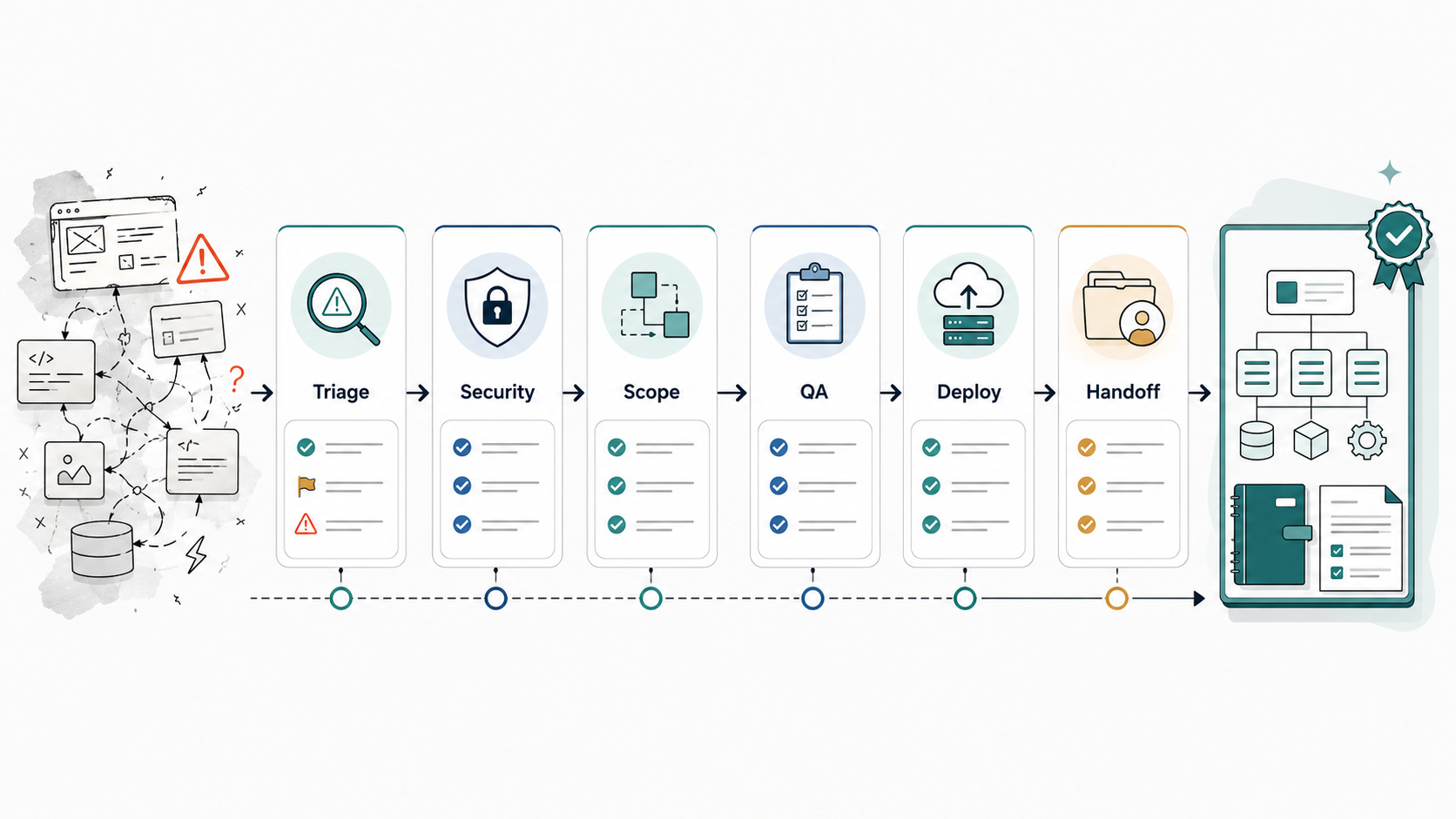
Use this vibe-coded MVP rescue plan to audit AI-built prototype security, choose refactor or rebuild scope, add QA gates, prove production readiness, and create a handoff.
Jul 16, 2026 · Nitin
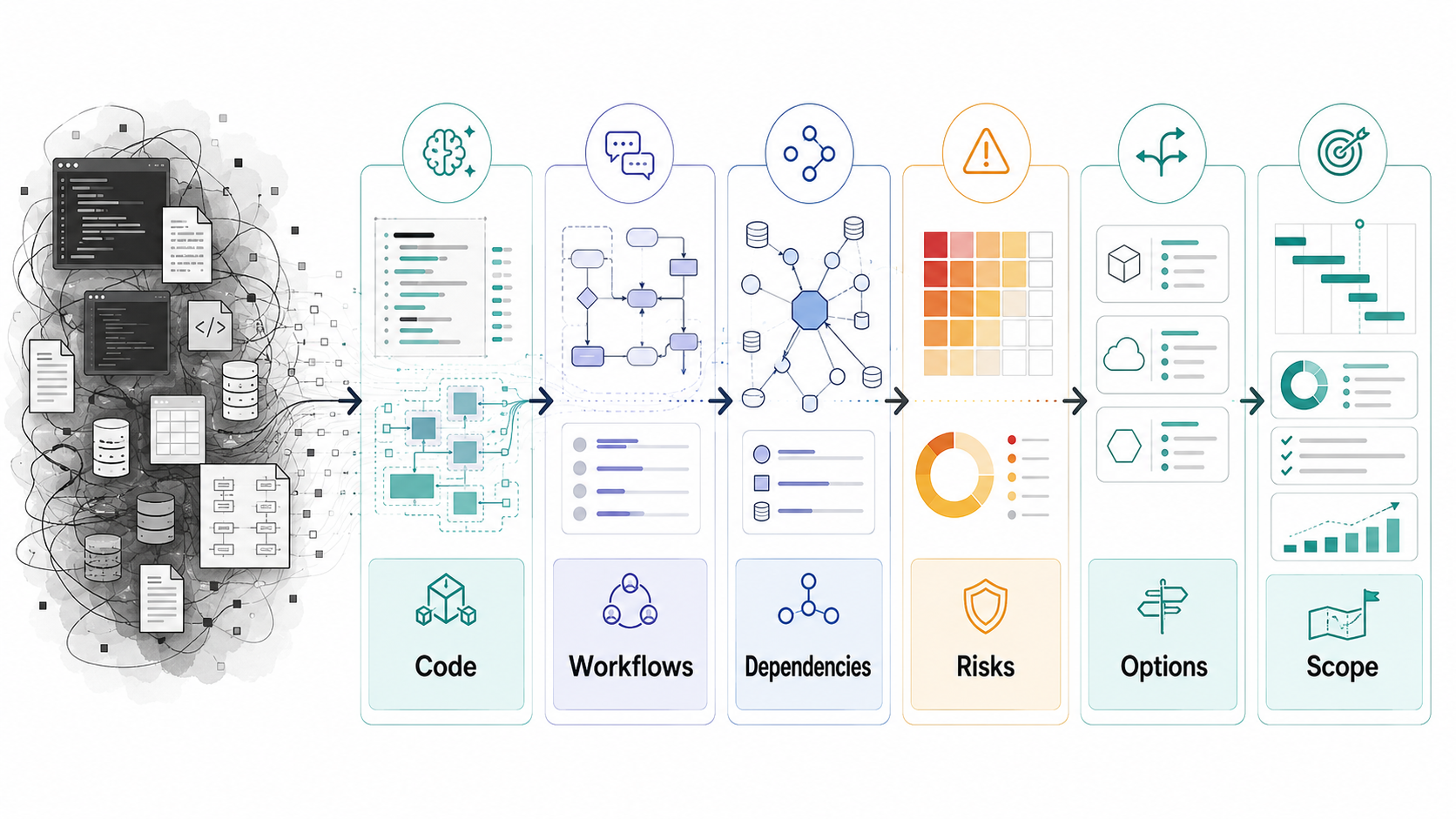
Plan an AI legacy system discovery sprint with code understanding, workflow mapping, dependencies, risk scoring, QA gates, and a decision-ready modernization scope.
Jul 15, 2026 · Nitin
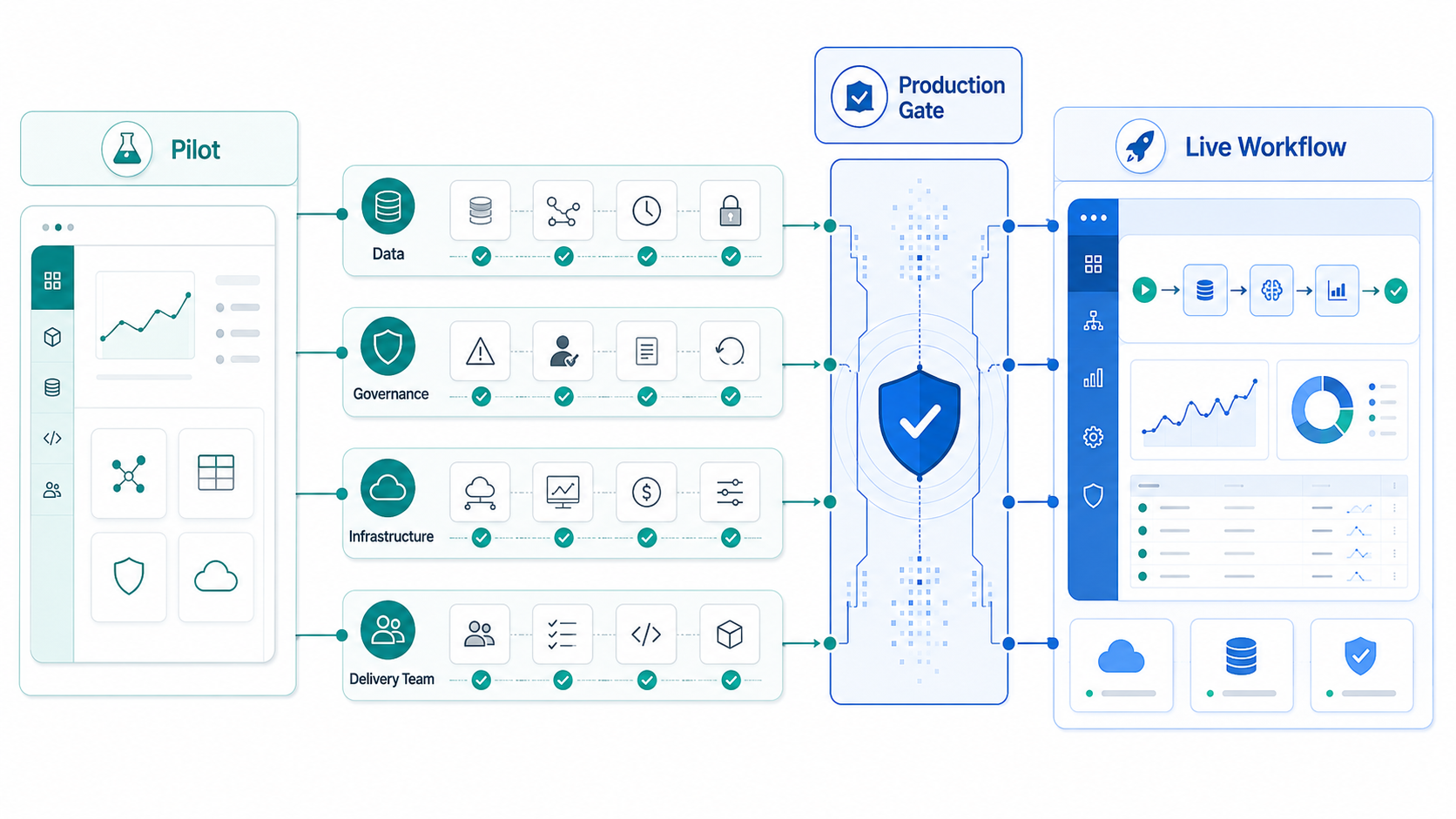
Move stalled AI pilots into production with readiness gates, data contracts, governance evidence, infrastructure planning, monitoring, delivery ownership, and rollback.